
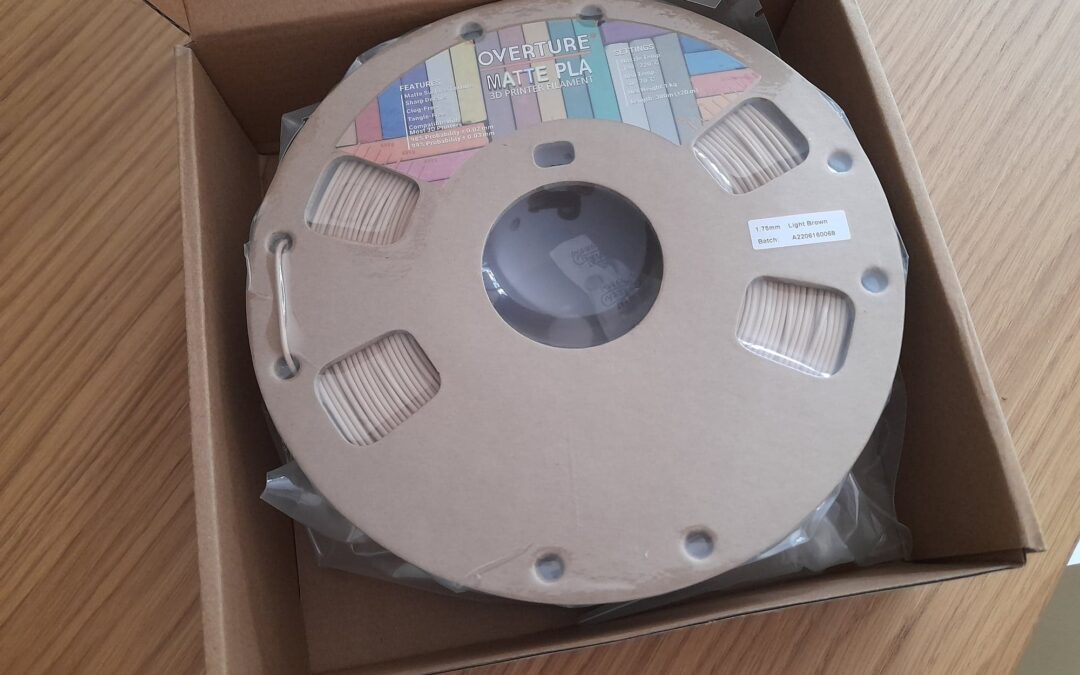
Let’s break down exactly what you need to know to keep your resin and filament in good condition all year round.
Why Storage Matters More in Australia
Australia’s climate presents some unique challenges for 3D printing hobbyists and professionals alike. High humidity along the coast, extreme heat in inland areas, and UV exposure that’s more intense than most other parts of the world all work against the shelf life of your materials. Filament absorbs moisture from the air, which leads to poor layer adhesion, stringing, and that horrible crackling sound when it feeds through the hotend. Resin, on the other hand, can degrade with UV exposure and temperature fluctuations, leaving you with a gloopy mess that won’t cure properly.
Storing Filament the Right Way
The biggest enemy of filament is moisture. Most common filaments – including PLA, ABS, PETG, and especially nylon and TPU – are hygroscopic, meaning they actively absorb water from the surrounding air. In a humid Australian summer, an open spool can start absorbing moisture within hours.
Here are the key steps to keeping your filament in good shape:
- Use airtight containers or vacuum bags. Plastic storage tubs with rubber seals work well, but vacuum-sealed bags are even better. You can pick these up at most Kmart or Bunnings stores fairly cheaply.
- Add silica gel desiccant packs. These are the little packets you find in shoe boxes and packaging. Toss a few into your storage container with each spool. Make sure to reactivate them in the oven occasionally when they’ve absorbed too much moisture.
- Invest in a filament dryer. If you’re printing regularly, a dedicated filament dryer is one of the best purchases you can make. Some printers even feed directly from the dryer while printing, which is a great setup for humid areas like the Gold Coast or Darwin.
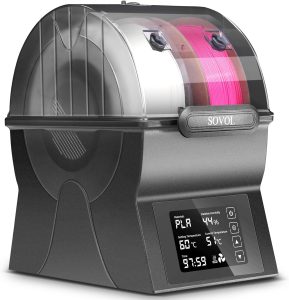

The Bambu AMS also serves as a way to keep your filament dry.
- Keep filament away from windows. Direct sunlight can cause discolouration and brittleness over time, especially in the harsh Australian sun.
- Store at a stable temperature. A spare bedroom or internal cupboard is usually fine. Garages and garden sheds can get extremely hot in summer and are best avoided if you can help it.
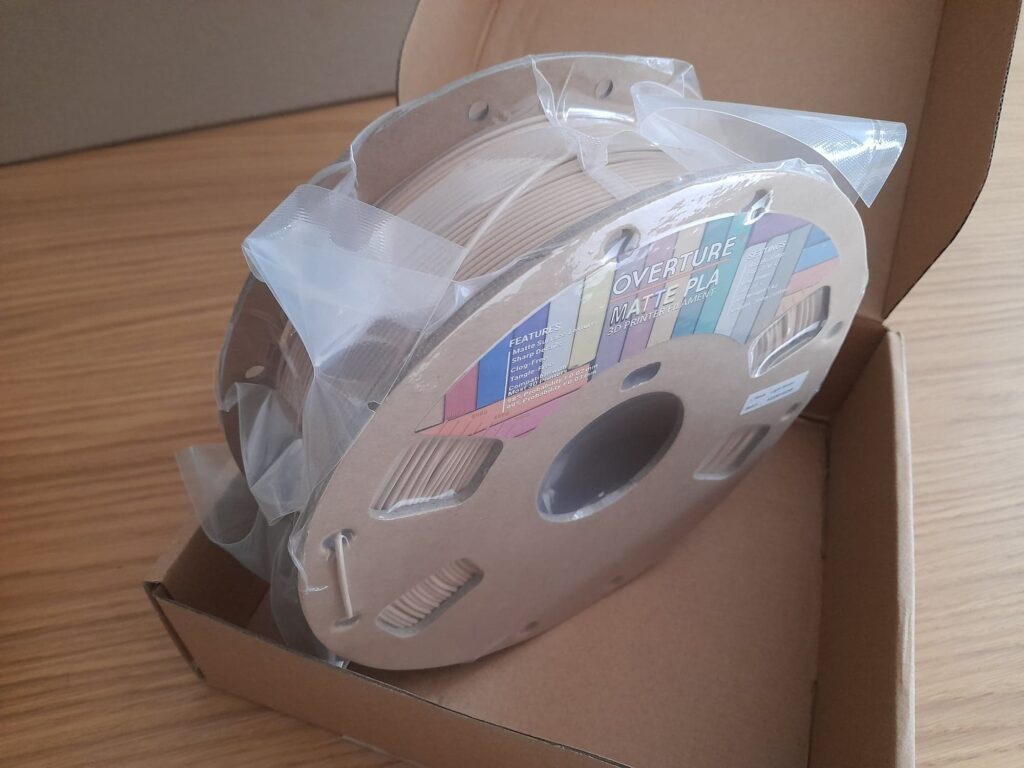
How to Tell If Your Filament Has Gone Moisture-Damaged
If you notice your filament crackling or popping as it prints, or if your prints are coming out with rough surfaces, bubbles, or poor adhesion between layers, moisture is likely the culprit. The good news is that you can often dry out filament and bring it back to life using a food dehydrator, a dedicated filament dryer, or even a regular oven set to a low temperature. Just make sure to look up the correct drying temperature for your specific filament type before you start.
Storing Resin Safely in the Australian Heat
Resin storage comes with its own set of rules, and in Australia, the heat and UV exposure make things especially tricky. Liquid resin is sensitive to both light and temperature, and storing it incorrectly can cause it to partially cure, separate, or become unusable.
Here’s what to keep in mind:
- Keep resin in its original opaque bottle. The packaging is designed to block UV light, which is the main thing that causes resin to cure prematurely. Never transfer resin to a clear container.
- Store in a cool, dark place. Ideally, resin should be stored between 15 and 25 degrees Celsius. Anything above that for extended periods can cause the resin to degrade. A cool internal cupboard or a temperature-controlled room is your best bet.
- Avoid the garage in summer if it hits high temperatures. Garage temperatures in Australian summers can easily hit 40 degrees or more, although circumstances vary. That’s outside the safe storage range for most resins and will shorten their shelf life significantly.
- Shake before use. Even properly stored resin can separate over time. Give the bottle a good shake before each use to make sure the components are evenly mixed.
- Check the expiry date. Most resins have a shelf life of around 12 months when stored correctly. If yours is older than that or has been stored in less than ideal conditions, it’s worth doing a small test print before committing to a big job. Anecdotally I’ve still had success with expired resin, but you shouldn’t rely on it.
Handling and Safety Tips for Resin
It’s worth mentioning that liquid resin is a chemical and needs to be handled with care. Always wear nitrile gloves when handling uncured resin, and make sure you’re working in a well-ventilated area. Dispose of waste resin and cleaning materials responsibly – never pour liquid resin down the drain. Cure any waste resin in sunlight or under a UV torch before disposing of it as solid waste.
A Few Extra Tips for Australian Conditions
If you’re in a particularly humid part of the country, it might be worth picking up a cheap hygrometer (a humidity and temperature monitor) to keep in your storage area. This gives you a real-time read on conditions so you know when to take action. You can grab these for a few dollars from places like Jaycar or online through Australian electronics retailers.
For those in areas prone to high heat, a small bar fridge dedicated to resin storage isn’t a bad idea at all. Just make sure to let the resin come back to room temperature before you use it, as printing with cold resin can affect how it cures.
Final Thoughts
Taking a bit of extra care with how you store your 3D printing materials can make a real difference to the quality of your prints and how far your supplies go. In a country like Australia where the climate can work against you, a few simple steps – airtight containers, desiccant packs, a cool dark cupboard – can save you a lot of frustration and money in the long run. Happy printing!